




Risk management and worker safety are critical elements of the construction industry.…
7 Reasons to Develop a Safety Plan for Your Construction Site
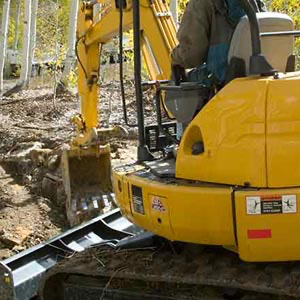
According to the Bureau of Labor Statistics, the construction industry accounted for 20% of all workplace fatalities and 50% of all trips and falls in 2022. …
5 Effective Methods of Managing Urban Stormwater Runoff
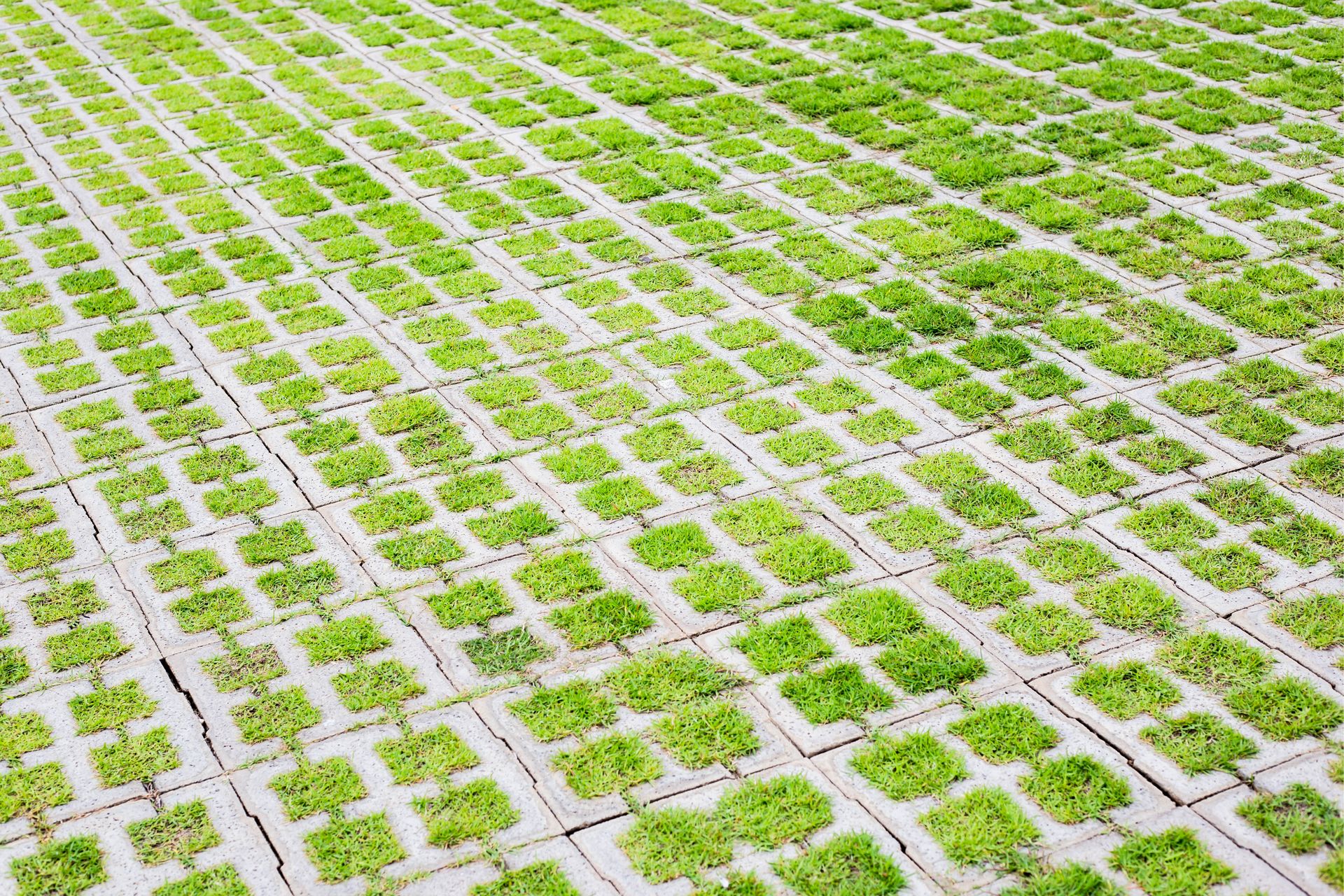
Increased urbanization and population density within cities have placed more pressure on municipalities to responsibly deal with stormwater runoff.…
7 Ways Builders Can Benefit from ENERGY STAR Certification
Energy-efficient and zero-emissions homes may seem like an ambitious goal for the future, but many builders are adopting this trend to their advantage.…
11 Reasons to Hire an Energy Consultant
Costs are a growing concern in our inflationary economy, especially in the construction industry.…
Quality Assurance Inspections: What Every Construction Project Needs

Overhead costs or General Conditions expenses are the most important variable impacting the profit margin of any construction process.…
Do I Really Need an Inspection on My Brand New Home?
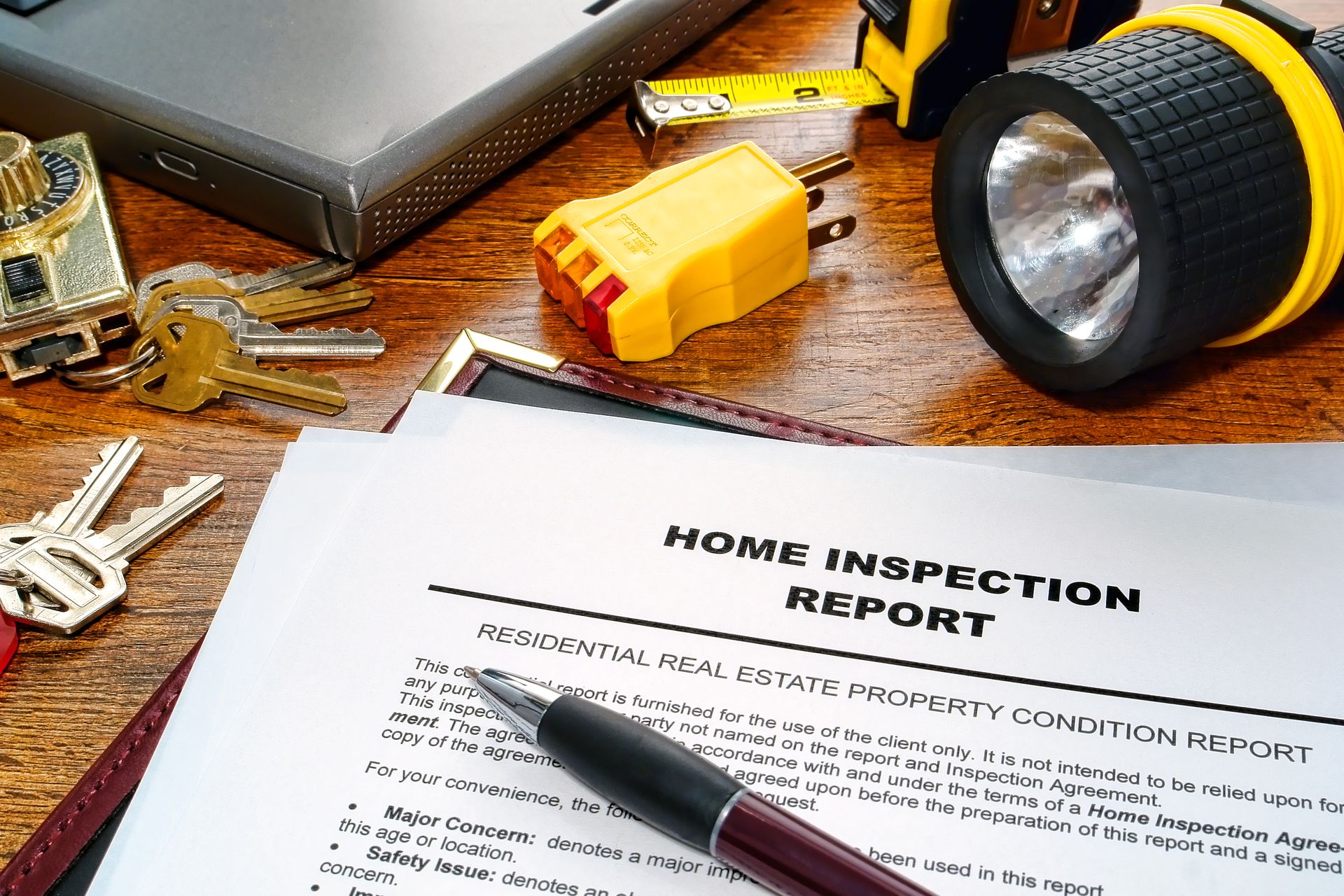
Many of us choose to buy a new construction home because we think it will save us money on repairs and maintenance in the long run.…
What Is a SWPPP? A Beginner’s Guide to Stormwater Management

Due to provisions under the Clean Water Act, construction zones that disturb one acre or more of land and plan to discharge into public receiving waters must develop an active stormwater management plan (SWPPP) to eliminate pollution, prevent flooding, and reduce nearby erosion.…
Quality Control vs. Quality Assurance? What’s the Difference?

Quality control and assurance are necessary for creating a perfect final product.…
ENERGY STAR® NextGen™: What You Need to Know

EnergyStar has been the leading proponent of the energy-efficiency movement in the US over the last several decades.…