




Construction is considered one of the most dangerous industries for workers worldwide.…
Submitting a Notice of Intent to the EPA: What Do Permits Cover?
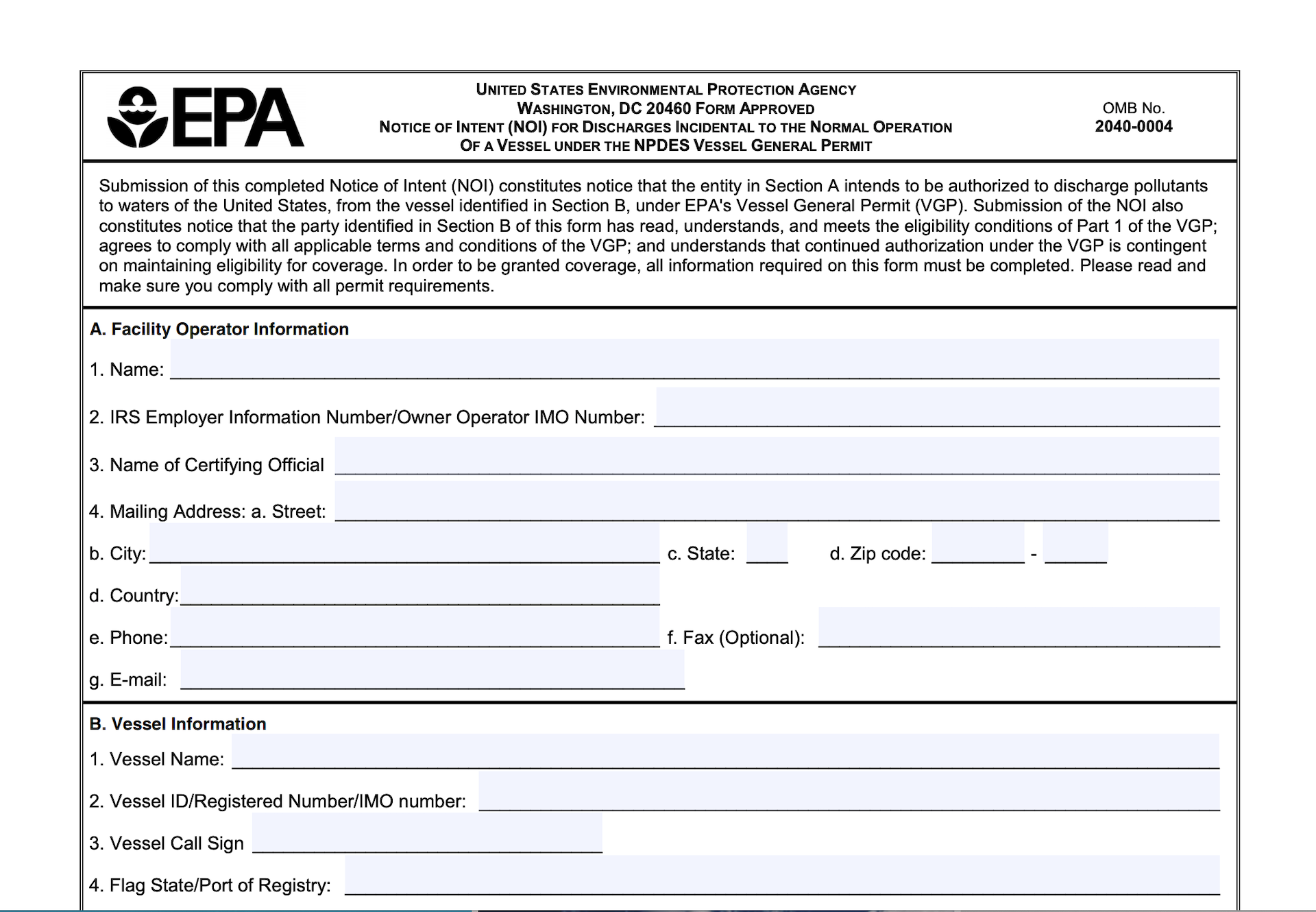
The National Pollutant Discharge Elimination System (NPDES) plays a pivotal role in safeguarding water quality across the United States.…
Sources of Stormwater Runoff Pollution On Construction Sites
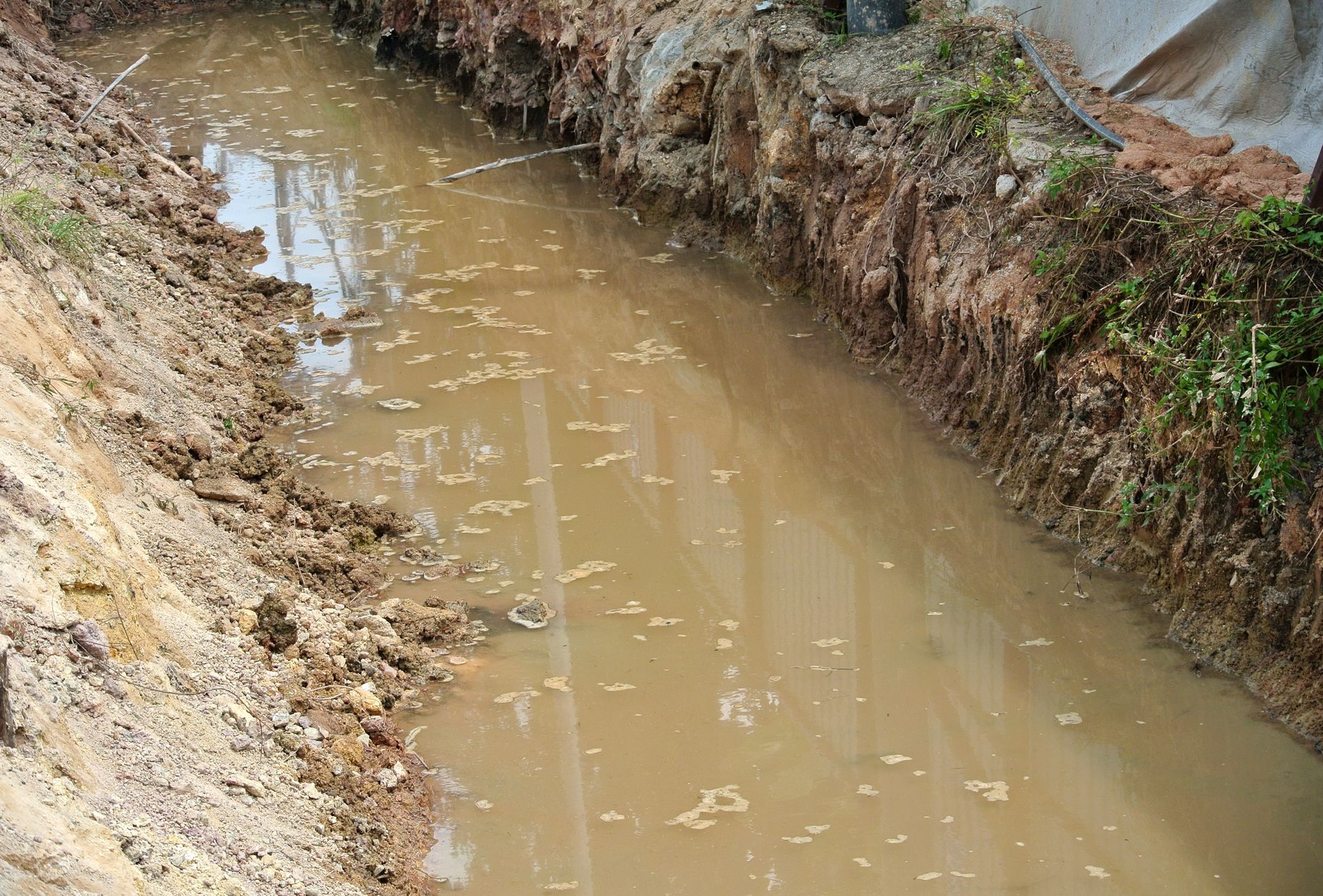
Stormwater runoff pollution is a significant environmental concern, especially on construction sites where land disturbance can result in erosion and releasing harmful contaminants into waterways.…
Utility Rebates Programs Available to Builders
As the cost of construction and new homes increases, builders are looking for ways to offset rising prices.…
A Guide to Energy Star Certification for New Home Construction

The push for sustainability is a massive concern in the construction industry as governments seek to curb emissions from new builds.…
7 Sustainable Building Best Practices for Builders

By some estimates, the building industry accounts for 34% of all global greenhouse gas emissions. …
7 ENERGY STAR Requirements for New Homes to Become Certified
The ENERGY STAR brand sets the standard for energy efficiency across several industries in the country.…
5 Steps to Improve Quality Assurance in Construction

Establishing new rules seems counterproductive to any business venture and may be viewed as “red tape.”…
SWPPP vs. SWQMP: Meeting Different Regulations
In order to meet the standards set forth by the Clean Water Act, states, municipalities, and commercial businesses have had to adopt strategic controls to reduce the amount of pollution generated from wastewater.…
RESNET/ACCA Standard 310: What Businesses Need to Know
The Home Energy Rating System (HERS) was established in the 1990s by the energy-efficiency non-profit RESNET to help builders create energy-efficient homes.…