



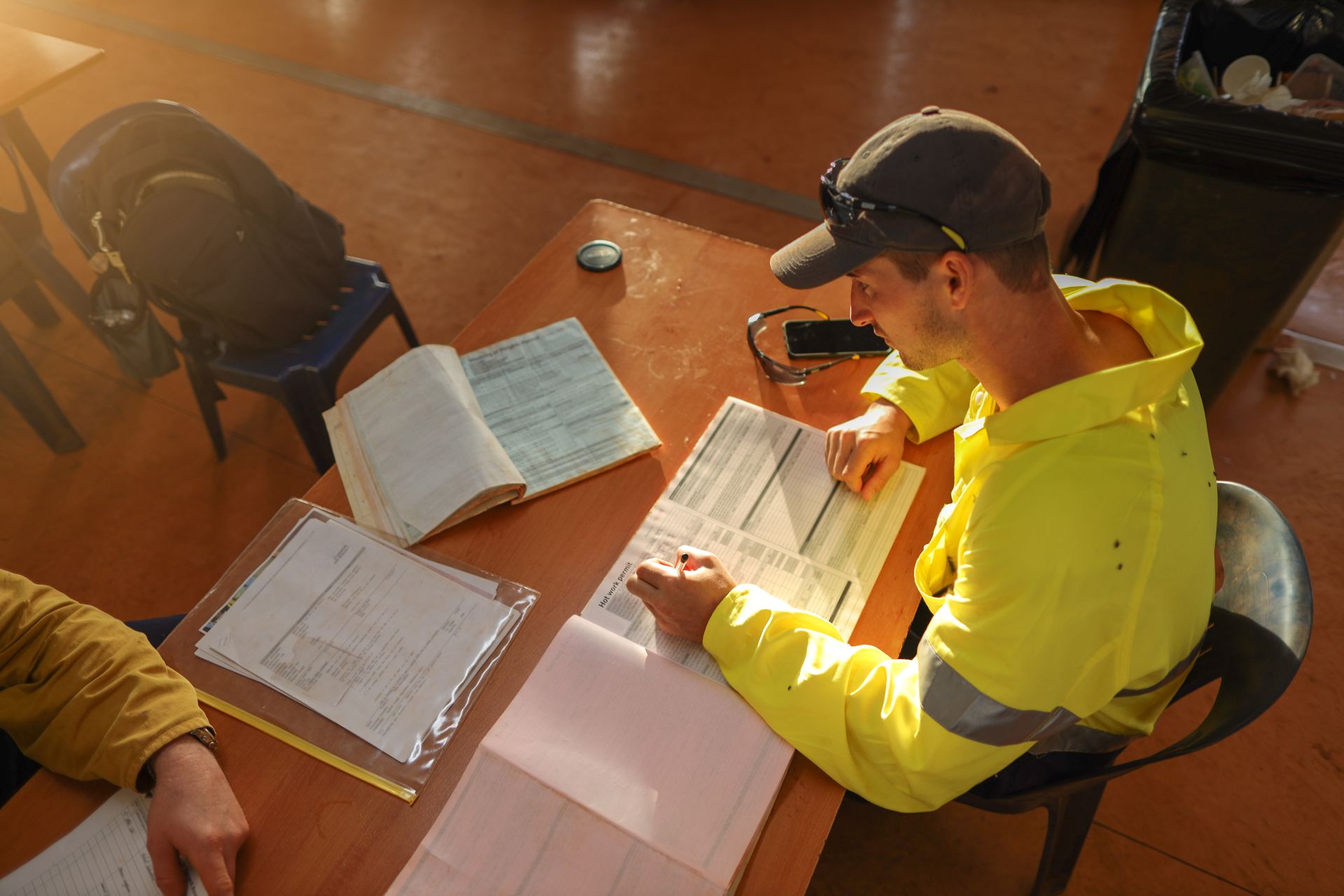
According to one report, nearly 40% of all drinking water pollution can be traced back to construction-related activities.
Construction sites are notorious water hogs, consuming extensive amounts of water to suppress dust, hydrate workers, and clean equipment. While that is a significant contributor to the pollution generated by these sites, rainwater runoff containing toxic materials, such as sediment, debris, or paint, poses a far greater threat.
When rainfall contacts exposed soil, fuel, concrete washout, debris, or chemicals, it can carry pollutants into storm drains and receiving waters. Under the National Pollutant Discharge Elimination System (NPDES), construction operators must demonstrate how they will prevent that discharge before work begins using a stormwater pollution prevention plan (SWPPP).
As cities like Jackson, Mississippi, and Flint, Michigan, make headlines for their polluted drinking water, site managers need to meet precise SWPPP requirements to obtain proper permits and proceed with construction.
This guide outlines twenty essential SWPPP requirements you must submit to obtain permit coverage and remain compliant throughout construction.
The Importance of the SWPPP for Permit Approval
A stormwater prevention plan, or SWPPP, is a site-specific document designed to reduce stormwater pollution generated by construction activities.
The federal government requires that anyone who disturbs an acre or more of land and plans to discharge runoff into a public conveyance acquire a National Pollutant Discharge Elimination System (NPDES) permit.
The SWPPP outlines specific measures and best practices (BMPs) detailing how your construction zone will reduce stormwater pollution.
The SWPPP also serves as a master document for training, documentation, and recordkeeping to ensure legal compliance.
Who Is Required to Apply for an NPDES Permit?
While SWPPPs are required for an NPDES permit, there are special circumstances in which an NPDES permit may or may not be required.
Instances where an NPDES permit is required include:
- Any site that discharges from a point source into public waters of the United States.
- Construction areas over an acre in size that disturb the land (i.e., grading, excavating). In this case, a construction general permit will be required.
Instances where an NPDES permit is not required include:*
- Construction sites that don’t disturb land or discharge from a point source (ex., remodeling)
- Construction sites that discharge into municipal sewer systems (varies by location)*.
- Instances when special waivers are awarded.
A construction site manager will be required to develop the SWPPP and apply for an NPDES permit. Construction site managers unfamiliar with SWPPP terminology can work with a qualified stormwater practitioner permitted by their state or the federal government.
Note*: Even if an NPDES permit is not required for land disturbance, local or state permits may still be required.
20 Essential SWPPP Requirements
The following SWPPP requirements will be required for site managers to get proper permitting for projects and also institute the right controls to limit their environmental impact.
1. Cover/Title Page
The first requirement is to submit a cover letter and title page with important information, such as:
- Site location
- Construction start date and anticipated end date
- Who the SWPPP was prepared for (permitting agency)
- Who prepared the SWPPP (qualified personnel)
- Construction site contact information
2. Contact Information
A list of contact information for the construction site manager, your stormwater management team, all subcontractors, and a 24-hour emergency contact is required in the case of an emergency.
3. Pollution Prevention Team
Members of your crew responsible for implementing SWPPP control measures must be listed and included as part of your pollution prevention team. Ensure all team members are properly and continuously trained.
4. Site Description
One of the most important requirements of your SWPPP is a thorough description of the construction site. Since each description is specific to your location, you will need to be as detailed as possible, including characteristics such as:
- Total site size
- General topographic features
- Soil Types
- List of water sources
- Size of the impervious area located on the site
- Description of local flora and fauna
- Identify the type of land (e.g., wetland, desert, forest, etc.)
Over time, you will also collect additional data, such as rainfall and runoff coefficient data, after construction activities have occurred.
5. A Topographical Site Map
Add a visual sitemap to your description, outlining all slopes and the grading used on the site. This will give a better understanding of vulnerable areas where active controls must be taken to divert or slow the spread of stormwater runoff.
6. Construction Activity Description:
Describe the type of construction activity that will be occurring. Some key characteristics include:
- The type of project (e.g., building a mall, residential housing, etc.)
- Estimated size of the disturbed area
- Types of discharge (e.g., stormwater runoff and other types of waste)
- Materials used
- Construction equipment employed
- Phases to be implemented (this will be listed as a table)
7. List of Discharge Sources
Regulators will analyze a list of discharge points and the locations of the first waters they discharge to. You will also have to list all “authorized non-stormwater discharges, such as water from fire hydrants or portable bathrooms.
8. List of Pollutant Sources
Identifying potential sources of pollutants may require careful consultation with a qualified consultant. Generally, you should include pollutants from the following sources that may mix with stormwater as it gets discharged into public water sources.
- Hazardous materials
- Solid waste
- Septic waste
- Landscaping, clearing, and grading operations
- Dewatering operations
- Debris from demolition
- Paint and cleaning chemicals
- Vehicle storage and maintenance
- Vehicle transport, fueling, and cleaning operations
9. BMP Control Measures
Identify active steps your worksite will take to eliminate or reduce pollutants in stormwater runoff. In the industry, these are considered best management practices (BMPs) and are typically divided into erosion and sediment control.
Your SWPPP will require you to list all actions taken to reduce the risk of stormwater pollution, including dewatering practices, slope grading controls, and more. The following are some examples of BMPs to better understand what will be required under your SWPPP.
Examples of Erosion Control BMPs
- Erosion control blankets
- Ripraps
- Slope grading
- Mulching
Examples of Sediment Control BMPs
- Sediment basins
- Storm drain inlet protection
- Silt fencing
- Riparian buffers
10. Site Stabilization Plans
List all active steps to stabilize a worksite after construction has ceased, including steps to restore vegetation and treat any polluted water in sediment basins.
11. Material Handling
Storage and handling of construction materials and equipment are incredibly important for reducing pollution and are required by your SWPPP. Create a list of standard procedures, including designated zones for equipment storage and inspection procedures before handling, to reduce your risk of pollution and environmental damage.
12. Record-Keeping Reports
All control measures, training material, and amendments to your SWPPP must be meticulously recorded.
We suggest assigning someone on staff to track all relevant SWPPP information throughout a project.
13. Training Materials and Procedures
Create proper training protocols to educate crew members on the dangers of sedimentation and stormwater pollution. Then, create repeatable training processes for all new and existing employees to continue their education and always follow best practices.
14. Maintenance and Inspection Procedures
Site operators should work with consultants to inspect and monitor equipment throughout the project to ensure all BMPs are functioning properly. Since stormwater runoff can wear away at equipment like fencing and electrical systems, you must inspect them at least once a week or after heavy rainfall to detect any damage.
15. Proposed Plan Amendments (Ongoing)
SWPPPs are living documents subject to continuous change and amendment. Record any proposed amendments to your SWPPP that may evolve due to new equipment or failed procedures that are not yielding the results you intended.
16. Turbidity Monitoring
Federal law requires you to monitor the turbidity of nearby water sources (i.e., how dirty or cloudy they are) to ensure that they are free of sediment runoff and that you are not damaging nearby ecosystems.
17. Accident and Spill Reaction Procedures
In the event of a catastrophic accident at your worksite, you will need to mobilize response crews quickly to minimize fallout and damage. Ensure you have proper procedures in place and that your staff is properly trained to respond to any emergency situations.
18. Stipulations for Subcontractors
Special guidelines should be drafted for subcontractors who enter a worksite to ensure they follow the same rules as your full-time employees. This will reduce your legal liability and ensure proper, universal SWPPP compliance.
19. Compliance with Federal Laws
Your SWPPP will require documentation outlining your compliance with other federal laws, such as the Endangered Species Act.
20. SWPPP Certification
Retain a copy of your SWPPP certification for any “qualified personnel,” which helps you draft your SWPPP to submit with your application.
How Regulators Evaluate Your SWPPP
Regulatory agencies will evaluate your SWPPP for accuracy and approve permitting based on whether the plan is site-specific, technically sound, and enforceable.
Reviewers typically assess:
- Whether BMPs match site slopes and drainage patterns
- Whether discharge points are clearly identified
- Whether stabilization timelines meet permit standards
- Whether inspection procedures align with NPDES requirements
- Whether pollutant sources are fully disclosed
Generic templates often fail because they do not reflect real site conditions. A compliant SWPPP must connect maps, BMPs, sequencing, and inspection schedules into one coordinated system.
Tips for Creating an Effective SWPPP Plan
With a basic understanding of each SWPPP requirement and how they’re evaluated, these tips will help you draft your next SWPPP.
Be As Thorough As Possible
Get as granular as possible when describing your worksite and potential pollutants to ensure you don’t miss any valuable information. Likewise, the more thorough you are with training procedures and BMPs, the better your SWPPP will be executed.
Schedule Frequent Inspections
While many worksites opt for a biweekly inspection schedule, we strongly recommend conducting weekly inspections, especially after extreme weather events.
Use Natural BMPs to Your Advantage
Natural vegetation helps preserve topsoil and reduce stormwater runoff, especially on slopes or grades. It’s one reason many professionals recommend applying mulch to highly pitched slopes where stormwater velocity accelerates, leaving the topsoil vulnerable to erosion.
Use natural vegetation to your advantage by redirecting stormwater through it. Also, be sure to revegetate disturbed areas to accelerate your cleanup.
Prioritize Erosion Control
By preventing erosion control, you can also prevent sediment runoff. Since sedimentation occurs after significant erosion has occurred, reducing the amount of topsoil erosion will save you from having to invest in more expensive sediment control mechanisms.
Work with a Qualified Consultant
Finally, you will need to work with a qualified environmental consultant or “qualified personnel” to help you draft your SWPPP.
At Path Light Pro, we have decades of experience helping companies draft SWPPP documents and comply with local and federal regulations. Contact us today to get started on your SWPPP and to learn more about stormwater prevention.
FAQs
What is the purpose of a SWPPP?
A SWPPP outlines how a construction site will prevent stormwater runoff from carrying pollutants into public waters under NPDES regulations.
Is a SWPPP required for projects under one acre?
It may be required if the project is part of a larger development or subject to stricter local municipal rules.
Who prepares a SWPPP?
SWPPPs are typically prepared by qualified stormwater practitioners, engineers, or environmental consultants.
How often must a SWPPP be updated?
SWPPPs must be amended whenever site conditions change, BMPs are modified, or inspection findings require corrective updates.
What happens if a SWPPP is incomplete?
Incomplete SWPPPs can delay permit approval, trigger violations, or result in enforcement action.
Does a SWPPP end when construction is complete?
No. The SWPPP remains active until final stabilization is achieved and permit termination is approved.
Can a SWPPP be amended after permit approval?
Yes. SWPPPs are living documents and must be updated when site conditions, construction sequencing, or BMPs change.
What are the penalties for SWPPP violations?
Penalties can include fines, mandatory corrective actions, project shutdowns, and increased regulatory oversight, depending on severity and jurisdiction.