



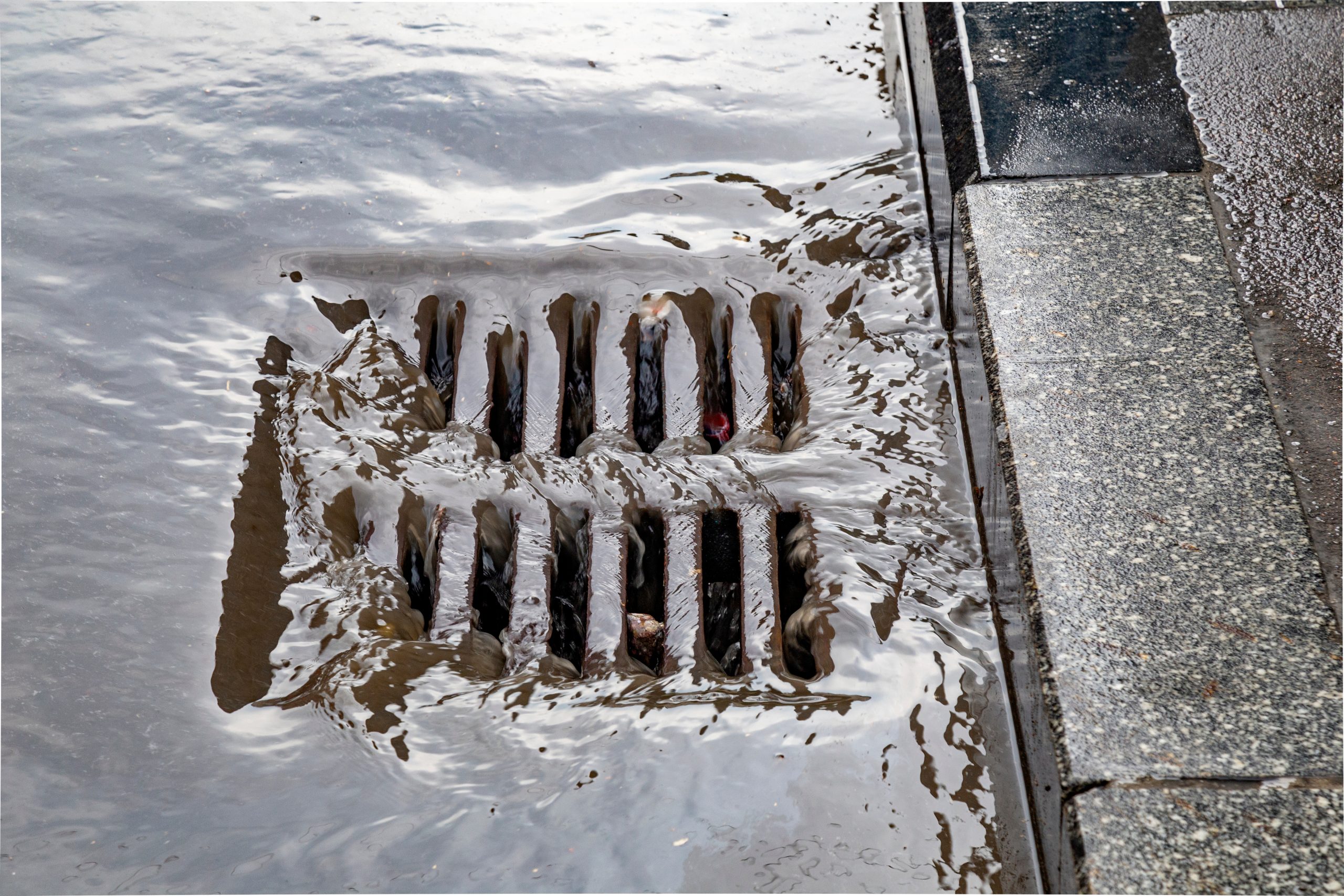
Without a properly engineered stormwater drainage system, properties face severe structural and financial risks from unchecked erosion, hydrostatic pressure, and standing water “dead zones” where vegetation can no longer grow.
On construction sites, uncontrolled runoff increases the risk of soil erosion and sedimentation and limits the effectiveness of other stormwater BMPs.
Stormwater drainage systems act as a property’s primary defense against water damage, capturing runoff from rain and snowmelt before it can saturate the ground.
By utilizing an engineered network of pipes, swales, and detention structures, these systems safely collect and convey water away from buildings and roads. This process not only prevents immediate flooding but also ensures that runoff is treated for pollutants before being discharged into local waterways.
This guide explains how these systems work and what you need to know before designing or maintaining one.

What Are Stormwater Drainage Systems?
Stormwater drainage systems are infrastructure networks that manage excess water from precipitation events. They prevent flooding by moving water from rooftops, parking lots, streets, and other impervious surfaces to designated discharge points like streams, detention ponds, or municipal storm sewers.
These systems differ from sanitary sewers because stormwater flows untreated directly into natural water bodies in most municipal systems. That distinction creates regulatory pressure to filter pollutants before discharge.
Modern stormwater systems combine traditional conveyance structures with low-impact development (LID) features like bioswales, rain gardens, and permeable pavement to reduce runoff volume and improve water quality.
How Stormwater Drainage Systems Capture Runoff
The collection process starts at surface inlets and catch basins positioned in low points across a site. When rain hits impervious surfaces, gravity pulls water toward these intake points.
Catch basins include grated openings at ground level and an underground sump that traps sediment, debris, and larger pollutants before water enters the pipe network. Regular maintenance prevents clogs that reduce system capacity.
Roof drains, area drains, and trench drains also feed into collection networks. Each inlet type is suited to specific applications based on surface material, drainage area size, and expected flow volumes.
The Role of Conveyance Pipes and Channels
After collection, stormwater moves through underground pipes or open channels toward discharge points. Pipe materials include concrete, corrugated metal, PVC, and HDPE, depending on flow rates, soil conditions, and regulatory requirements.
Pipe sizing follows hydraulic calculations that account for rainfall intensity, drainage area, surface type, and slope. Undersized pipes create backups and flooding during moderate storms.
Open channels like swales and ditches slow water velocity, allow infiltration, and filter pollutants through vegetation. They work well in residential areas where the costs of underground infrastructure outweigh the drawbacks of surface conveyance.
Manholes and junction boxes provide access points for inspection and maintenance while allowing multiple pipes to connect at different elevations and angles.
How Detention and Retention Ponds Manage Flow
Detention ponds temporarily store stormwater during heavy rainfall and release it slowly to prevent downstream flooding. These structures include outlet control devices like weirs and orifices that regulate discharge rates.
The pond fills during storm events and drains completely within 24 to 72 hours to prevent mosquito breeding and maintain storage capacity for the next rainfall.
Retention ponds hold a permanent pool of water and provide additional benefits, such as pollutant settling, wildlife habitat, and aesthetic value. Depth, side slopes, and vegetation requirements vary by jurisdiction.
Both pond types require regular sediment removal, vegetation management, and inspection of outlet structures to maintain design performance. Neglected facilities fail during major storms.
Filtration and Water Quality Treatment
Regulatory pressure to reduce pollutant loads drives the integration of treatment features into modern stormwater drainage systems. Common treatment methods include:
- Vegetated filter strips
- Bioretention cells
- Sand filters
- Proprietary manufactured treatment devices.
Bioretention areas use engineered soil media and native plants to capture runoff, filter sediment and nutrients, and promote infiltration. These low-impact development features reduce total discharge volumes while improving water quality.
Oil-water separators and hydrodynamic separators remove petroleum products and suspended solids in high-traffic areas like gas stations and loading docks.
Treatment device selection depends on pollutant types, space availability, and local regulations. Maintenance requirements also vary by treatment type, but typically include sediment removal, vegetation replacement, and media testing to ensure performance standards are met.
Stormwater Drainage System Design Requirements and Regulations
The Clean Water Act requires permits for construction sites disturbing one acre or more through the National Pollutant Discharge Elimination System (NPDES). These permits mandate the control and treatment of stormwater runoff from workzones through approved stormwater drainage systems.
Municipal stormwater ordinances establish specific design standards for drainage systems, including runoff volume reduction targets, peak flow limits, and water quality treatment thresholds. Some jurisdictions mandate that post-development runoff rates not exceed pre-development conditions.
Design storms vary by location but commonly include 2-year, 10-year, 25-year, and 100-year rainfall events. Systems must convey the 10-year storm without flooding and safely pass the 100-year storm without structural failure.
State environmental agencies and local planning departments review stormwater management plans before issuing building permits. Approved plans become legally enforceable requirements that property owners must maintain.
Maintenance Requirements for Stormwater Drainage Systems
Regular inspection and cleaning are essential components of your SWPPP and prevent system failures that lead to flooding and property damage.
- Quarterly Inspections: Regularly check catch basins and inlet grates to remove debris and sediment. This is a vital part of your SWPPP to prevent flooding and property damage.
- Pipe Maintenance: Clean pipes every two to five years using mechanical equipment or high-pressure water jetting. Utilize video inspections to identify structural issues and root intrusions before they lead to total system failure.
- Pond Management: Remove sediment from detention and retention ponds once accumulation reaches 25% to 50% of storage volume. Ensure embankments and treatment areas are mowed and vegetated.
- Prompt Repairs: Address damaged pipes, settlement areas, and eroded channels immediately. Documenting these maintenance activities is essential for demonstrating regulatory compliance.
Property owners remain responsible for private stormwater systems even after construction completion. Neglecting maintenance creates liability exposure when systems fail and cause downstream property damage.
Why Proper Stormwater Management Matters for Construction Sites
Effective stormwater drainage systems protect the financial viability of a project by preventing flood damage, foundation instability, and severe landscape erosion. Implementing these systems early reduces insurance claims and ensures safe site conditions for crews and equipment during and after rainfall events.
Environmental regulations, particularly NPDES permitting, continue to tighten as water quality concerns grow in urbanizing watersheds. Installing systems that meet or exceed current standards helps developers avoid costly retrofits or regulatory fines when new requirements take effect.
On a broader scale, construction projects with robust drainage infrastructure prevent off-site issues like road closures and sediment discharge into local communities. This proactive approach minimizes emergency response costs and protects the developer’s reputation within the local jurisdiction.
Investing in professional design, high-quality construction, and consistent SWPPP inspections delivers long-term project value that far exceeds the short-term savings found by cutting corners on drainage.
FAQs
What is the difference between stormwater and wastewater drainage?
Stormwater drainage carries rainfall runoff directly to water bodies without treatment, while wastewater systems transport sewage to treatment plants before discharge. Mixing the two creates sanitary sewer overflows that violate environmental regulations.
How deep should stormwater drainage pipes be buried?
Minimum depths typically range from 12 to 18 inches to protect pipes from traffic loads and freeze-thaw damage. Local codes and soil conditions determine specific requirements.
What causes stormwater drainage systems to fail?
Common failure causes include inadequate capacity from poor design, sediment accumulation from lack of maintenance, pipe collapse from age or traffic loads, and clogged inlets from debris buildup.
How much does a residential stormwater drainage system cost?
Costs vary widely based on site conditions, system complexity, and local labor rates. Simple surface solutions start at $1,000 to $3,000, while comprehensive underground systems range from $5,000 to $20,000 or more.
What are green stormwater infrastructure options for residential properties?
Rain gardens, permeable pavement, rain barrels, green roofs, and bioswales reduce runoff volumes while filtering pollutants. These low-impact development features often cost less than traditional infrastructure while providing multiple benefits.
How do commercial stormwater requirements differ from residential ones during construction?
Commercial sites often feature higher “impervious cover” (large roofs and expansive parking lots), which generates significantly more runoff. Consequently, commercial SWPPP requirements usually mandate more robust structural BMPs, such as concrete washout areas, large-scale sediment basins, and advanced filtration systems to handle the volume and prevent pollutants like heavy metals or oils from leaving the site.