



Erosion and sediment control prevent soil loss from wind or water erosion while simultaneously trapping any dislodged particles to ensure they do not leave the project site.
Erosion control is considered a proactive stormwater BMP, preventing the loss of topsoil and native vegetation, while sediment control serves as a secondary defense designed to decontaminate runoff by filtering out soil that has already been displaced.
Active workzones are required by the EPA under the Clean Water Act to monitor stormwater discharge from sediment and topsoil erosion.
Not only does erosion create sedimentation, which pollutes waterways by increasing turbidity, but it also restricts groundwater infiltration, increasing the risk of flooding or water pooling near sites.
For site managers interested in learning more about erosion and sediment control, this guide will outline a few best practices our technicians employ in the field, including how to choose, install, and maintain select stormwater BMPs.

What Is Erosion Control?
Erosion control is the active practice of preventing topsoil erosion from wind or water. In construction and industrial projects, erosion control is designed to keep native vegetation and soil intact, preventing exposure of underlying sediment.
Another way to think about erosion control is as a first-line defense against stormwater runoff pollution. Since native vegetation resists water flow, protecting that vegetation with active control measures makes your erosion control efforts much more effective.
Furthermore, erosion control makes sediment control easier since it preserves native sediment, which is difficult to relocate after it’s left at a work site.
Some additional benefits of erosion control include:
- Simplifying soil stabilization efforts
- Preserving the natural beauty of landscapes
- Reducing the need to invest in sediment control measures, which saves money
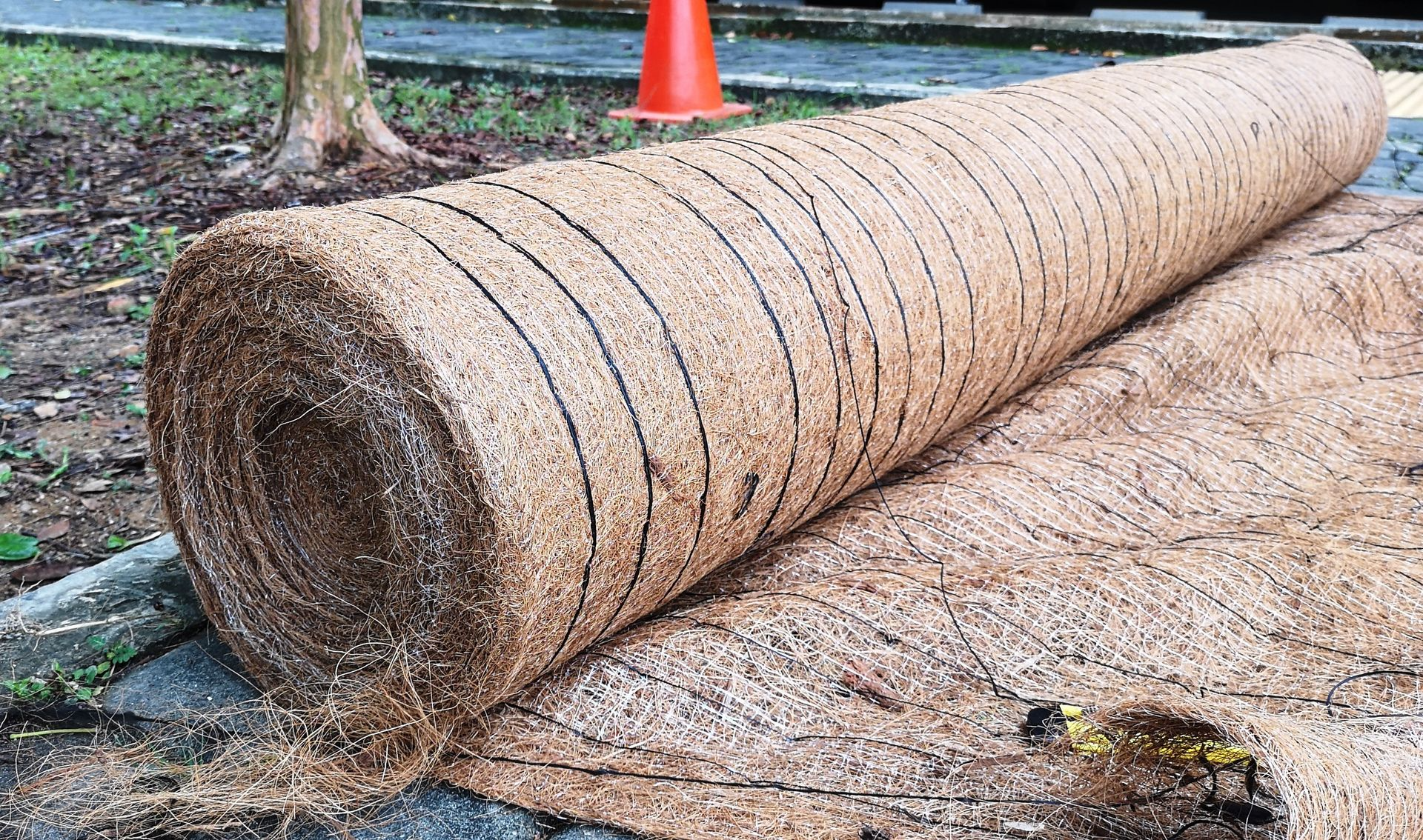
Common examples of erosion control measures include protecting topsoil with an erosion-control blanket, diverting stormwater with downpipes, or grading slopes to reduce runoff velocity.
What Is Sediment Control?
Sediment control is a secondary defense strategy designed to trap, divert, and collect soil particles that have already been displaced by erosion before they can leave a project site. While erosion control focuses on the source, sediment control acts as a filtration system for runoff.
Sediment itself is composed of fine particles, such as grains of rock, shells, and organic materials, that are extracted from the soil during significant erosion events.
Once these particles enter water systems, they become a dangerous pollutant. Heavy sediment settles at the bottom of water bodies, altering natural flow and making physical removal extremely difficult.
Lighter, suspended particles lead to high turbidity (cloudiness), which blocks essential sunlight and prevents the growth of algae and microorganisms. This disruption of the food chain, combined with water pollution, leads to a significant decline in aquatic life and the degradation of native ecosystems on land and in local waterways.
To mitigate these risks, the primary purpose of sediment control is to capture these loosened particles and redeposit them onto the ground or within contained areas. Common examples of effective sediment controls include:
- Sediment basins for large-scale containment.
- Inlet controls installed around storm drains.
- Silt fences and rock barriers placed around construction site perimeters.
Now that you have a working definition of both erosion and sediment control, let’s outline the specific best practices you can implement into your next Stormwater Pollution Prevention Plan (SWPPP).
Erosion and Sediment Control Best Practices
Effective site management combines the best practices of erosion and sediment control to prevent unanticipated pollution from sediment that may escape your erosion controls.
General Best Practices
Implementing a high-level operational framework ensures that environmental compliance is integrated into every phase of the project lifecycle, from initial site analysis to final stabilization.
- Phase construction processes to reduce the risk of erosion occurring to exposed lands.
- Perform an analysis of the worksite to identify any vulnerable areas to erosion or sedimentation.
- Incorporate BMPs into your SWPPP and train all staff on proper BMPs.
- Perform routine inspections (every 7-14 days) of the worksite to identify any risk areas to your operation.
- Implement erosion control best practices first (read below) to reduce the risk of sediment runoff.
- Stabilize all worksites and their surrounding vegetation before the completion of a project.
- Erect permanent BMPs if necessary to stabilize soil systems if temporary BMPs are insufficient.
- Keep worksites clean and free of clutter. Also, seal any open bins and materials and store them in an area free from the elements.
Erosion Control Best Practices
Proper erosion control protects vulnerable topsoil on slopes and in areas where runoff velocity is highest, preventing potential sedimentation.
- Stabilize exposed soils with native vegetation or mulching.
- Apply erosion control blankets or sodding over exposed soils to prevent further erosion.
- Employ controls, such as fences and slope grading, which slow the pace of stormwater runoff and allow for more infiltration.
- Divert stormwater runoff from steep slopes using downpipes and other physical diversions.
- Reseed all exposed soil using hydroseeding or other fast-acting measures.
- Use ripraps around areas with higher exposure to stormwater runoff, such as near basins or at the bottom of slopes.
- Apply mulch to slopes where a high velocity of stormwater runoff will occur.
Sediment Control Best Practices
Sediment control best practices serve as a critical safety net by filtering and slowing runoff, keeping displaced soil contained within the site boundaries.
- Use silt fences on slopes to trap and slow down sediment erosion.
- Use sediment basins at the bottom of slopes and in wide, exposed areas to allow time to sift and remove sediment from runoff.
- Install inlet controls around drain pipes to prevent sediment from physically entering the sewage system.
- Use riparian buffers around streams, ponds, and other water sources.
- Construct rock walls near the entrances and exits of construction sites to prevent stormwater runoff.
- Fill ditches with rocks and vegetation to prevent sediment from collecting at the bottom where stormwater flows.
To make this article more authoritative and easier for readers to scan, a comparison table is an excellent addition. Many readers get confused between the two concepts, so a side-by-side breakdown helps clarify their unique roles within a Stormwater Pollution Prevention Plan (SWPPP).
Erosion Control vs. Sediment Control: Comparison Table
While erosion and sediment control are essential components of site management, they serve different primary functions. The following table highlights the key differences to help you select the right Best Management Practices (BMPs) for your project:
| Feature | Erosion Control | Sediment Control |
|---|---|---|
| Primary Goal | Prevents soil from being detached or displaced. | Traps soil that has already been displaced. |
| Strategic Timing | Proactive (First line of defense). | Reactive (Secondary defense). |
| Main Target | Wind and water impact on the soil surface. | Suspended particles in stormwater runoff. |
| Common Tools | Hydroseeding, mulching, and blankets. | Silt fences, sediment basins, and inlet filters. |
| Location | Applied directly to exposed soil or slopes. | Positioned at perimeters or drainage points. |
How to Implement Erosion and Sediment Controls in Your SWPPP
Implementing proper sediment and erosion controls in your SWPPP requires an active site assessment to determine which areas of your work zone are most vulnerable to erosion.
Additionally, all discharge points must be clearly mapped, where additional sediment controls, such as silt fences, inlet barriers, or filter screens, will be installed to prevent them from leaving the site.
Creating a compliant SWPPP and correctly erecting the right BMPs for a complex project can be challenging. The environmental consultants at Path Light Pro specialize in simplifying this process.
With years of experience supporting construction companies nationwide, we provide the expertise needed to construct a professional SWPPP and manage your BMPs, ensuring your environmental and regulatory concerns are fully addressed.
FAQs
Does my project always require both erosion and sediment control?
In almost all construction and land-disturbing activities, both are required. Erosion control is your primary defense to keep soil in place, while sediment control serves as the mandatory safety net to protect local waterways from any soil that escapes.
What is the difference between a temporary and a permanent BMP?
Temporary Best Management Practices (BMPs), like silt fences or straw mulch, are used during the active construction phase. Permanent BMPs, such as retention ponds or established native vegetation, are designed to provide long-term stability after the project is completed.
How often should I inspect my erosion and sediment controls?
Standard requirements typically dictate inspections every 7 to 14 days, or within 24 hours of a significant rainfall event. Frequent checks ensure that barriers like silt fences haven’t collapsed or become overwhelmed by sediment buildup.
Can I use sediment control instead of erosion control?
While technically possible, it is highly inefficient and often a regulatory violation. Relying solely on sediment control (like a basin) without erosion control (like seeding) leads to faster filter clogging and significantly higher maintenance costs.
What are the legal consequences of poor erosion and sediment control?
Under the Clean Water Act, failure to maintain proper controls can result in significant fines from the EPA or state agencies, which can reach tens of thousands of dollars per day.
Additionally, “Stop Work” orders can be issued, resulting in costly project delays and potential legal action by downstream property owners affected by runoff.
Can I use sediment control instead of erosion control?
While technically possible, it is highly inefficient and often a regulatory violation.
Relying solely on sediment control (like a basin) without erosion control (like seeding) leads to faster clogging of filters, significantly higher maintenance costs, and a greater risk of off-site discharge.