



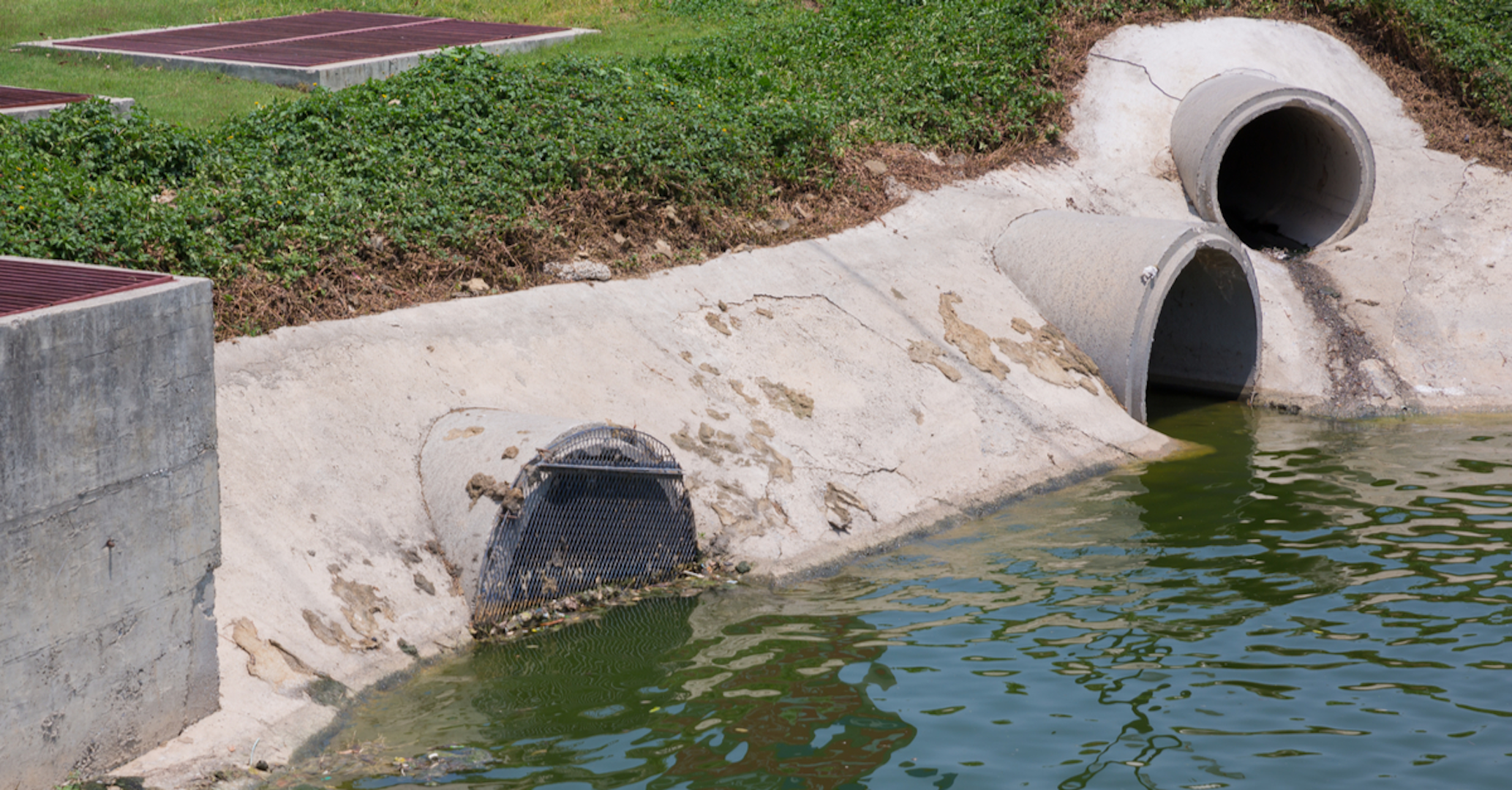
Construction sites are among the most significant contributors to stormwater pollution. According to UNEP, the construction and building industry accounts for 37% of global greenhouse gas emissions.
In addition to air pollution, construction sites are major contributors to land and water pollution, accounting for up to 40% of US drinking water pollution.
When land is disturbed, vegetation is removed, and soil is exposed, rainwater and runoff can quickly transport contaminants into nearby waterways. Without proper controls, even a well-managed project can unintentionally release pollutants that harm ecosystems, violate environmental regulations, and delay construction timelines.
Understanding the most common pollutants in construction-related stormwater is critical for complying with stormwater permits, implementing SWPPPs effectively, and protecting the environment in the long term.
This guide explains what those pollutants are, where they come from, why they matter, and how they’re typically controlled on active job sites.
Why Construction Sites Are High-Risk Stormwater Polluters
Stormwater becomes polluted when it flows over exposed or disturbed surfaces and picks up contaminants along the way. Construction sites create ideal conditions for this process because they involve:
- Exposed soil and stockpiles
- Heavy equipment and vehicle traffic
- Fueling and maintenance activities
- Material storage and waste generation
- Incomplete drainage systems during early phases
Unlike stabilized landscapes, construction sites lack natural filtration. As a result, pollutants can move rapidly from the site into storm drains, streams, wetlands, and municipal systems—even after a single rainfall event.
8 Common Pollutants Found on Construction Sites
Understanding what common pollutants exist in and around construction zones can help site managers plan accordingly to control pollution runoff from the site.
1. Sediment
Sediment is the number one pollutant associated with construction stormwater. It originates from disturbed soil, excavation, grading, and unprotected slopes.
When sediment enters waterways, it clouds the water, reduces sunlight penetration, and smothers aquatic habitats. Fine particles can clog fish gills, bury spawning grounds, and transport other pollutants attached to soil particles.
Sediment is also regulated more strictly than many other pollutants because of its volume and impact. Most stormwater violations at construction sites are tied directly to inadequate sediment control.
2. Nutrients: Nitrogen and Phosphorus
Nutrients such as nitrogen and phosphorus are commonly found in stormwater runoff from construction sites, particularly during landscaping and final grading phases.
These pollutants often come from:
- Fertilizers used for temporary or permanent seeding
- Soil amendments and topsoil
- Organic debris and plant matter
Excess nutrients entering waterways can trigger algal blooms, reducing oxygen levels, leading to fish kills, and degrading water quality. Even small concentrations can have outsized impacts, especially in sensitive watersheds.
Proper nutrient management requires controlled application, timing around weather events, and stabilization measures that prevent runoff before vegetation is established.
3. Petroleum Products and Hydrocarbons
Fuel, oil, grease, and other petroleum-based products are common on construction sites and are a frequent source of stormwater contamination.
These pollutants originate from:
- Equipment fueling and maintenance areas
- Hydraulic leaks from heavy machinery
- Improper storage of fuels and lubricants
- Vehicle traffic and parking areas
Petroleum pollutants are toxic to aquatic life and can create visible surface sheens on water. Even trace amounts can violate water quality standards.
Secondary containment, drip pans, designated fueling zones, and routine equipment inspections are essential to prevent hydrocarbon pollution.
4. Concrete Washout and Cementitious Materials
Concrete-related pollutants are among the most damaging to water quality due to their high alkalinity.
Common sources include:
- Concrete washout water
- Mortar and grout residue
- Saw cutting slurry
- Uncured concrete debris
These materials can drastically raise pH levels in receiving waters, which is lethal to fish and invertebrates. Many jurisdictions treat uncontrolled concrete washout as a serious violation.
Dedicated, lined washout areas and proper disposal practices are critical controls on any site involving concrete work.
5. Metals from Construction Materials
Heavy metals often appear in construction stormwater as a result of material handling and surface exposure.
Typical sources include:
- Metal roofing and flashing
- Rebar and structural steel
- Paints, coatings, and treated wood
- Wear from equipment and tools
Metals such as zinc, copper, lead, and chromium can accumulate in sediments and bioaccumulate in aquatic organisms. Over time, they pose risks to ecosystems and drinking water sources.
Covering materials, minimizing cutting and grinding near drainage paths, and stabilizing exposed areas reduce metal transport.
6. Trash, Debris, and Construction Waste
Solid waste is a highly visible but often underestimated stormwater pollutant.
Once mobilized by runoff, debris can clog storm drains, increase flood risk, and introduce microplastics into waterways. Poor housekeeping is one of the most common contributors to trash-related violations.
Examples of construction-related debris includes:
- Packaging materials and plastics
- Scrap wood and insulation
- Food waste from workers
- Broken materials and loose trash
Routine site cleanup, covered dumpsters, and stabilized access points significantly reduce debris migration.
7. Chemicals, Paints, and Solvents
Construction projects routinely use chemicals such as paints, coatings, thinners, adhesives, sealants, curing compounds, and cleaning agents.
When these materials are improperly stored, mixed, or disposed of, they can easily wash into storm drains during rainfall or site washdown activities.
Many of these products contain volatile organic compounds (VOCs) or other toxic ingredients that pose serious risks to water quality, aquatic ecosystems, and human health.
Preventing chemical contamination requires disciplined handling practices, including secure storage, clear labeling, spill response planning, and proper employee training to ensure pollutants remain contained and out of stormwater pathways.
8. Pathogens and Organic Pollutants
Pathogens are less commonly discussed but still relevant near construction sites, particularly those close to sanitary infrastructure.
Potential sources include:
- Failing sewer connections
- Portable toilet leaks
- Illicit discharges into storm drains
- Organic waste accumulation
Pathogens can contaminate recreational waters and pose public health risks. Preventative maintenance and immediate response to leaks are necessary controls.
Why SWPPPs and Best Management Practices Matter
Stormwater Pollution Prevention Plans (SWPPPs) provide a practical framework for identifying pollutant sources and controlling them before runoff leaves the site. A well-executed SWPPP outlines where risks exist, which controls are required, and how those controls will be maintained throughout construction.
Best Management Practices (BMPs) are the on-the-ground tools that make a SWPPP effective. Common examples include silt fences and sediment barriers, stabilized construction entrances, inlet protection, sediment basins or traps, and erosion control blankets or vegetation.
These measures only work when they are properly installed, regularly inspected, and maintained as site conditions change.
Managing stormwater pollution is also a matter of risk management. Poor controls can lead to regulatory violations, fines, stop-work orders, costly cleanup efforts, and reputational damage with owners, municipalities, and regulators.
In contrast, proactive stormwater management protects construction schedules, budgets, and long-term project viability.
When pollutant sources are identified early, and BMPs are applied consistently, contractors can significantly reduce environmental impact while remaining compliant. Effective stormwater management starts with planning, relies on disciplined execution, and delivers benefits well beyond the job site—protecting both the project and the watershed downstream.
FAQs
Why is sediment considered a major stormwater pollutant?
Sediment can clog waterways, smother aquatic habitats, and carry other pollutants like nutrients and heavy metals into nearby streams.
How do chemicals from construction sites enter stormwater?
Chemicals often enter stormwater through improper storage, spills, uncovered containers, equipment cleaning, or rainfall washing materials into drains.
What is a SWPPP and why is it required?
A Stormwater Pollution Prevention Plan (SWPPP) identifies potential pollution sources and outlines controls to prevent contaminated runoff from leaving the site, helping projects remain compliant with regulations.
Which BMPs are most effective for controlling stormwater pollution?
Erosion controls, sediment barriers, stabilized entrances, inlet protection, and proper material storage are among the most effective best management practices.
Can poor stormwater management delay a construction project?
Yes. Inadequate controls can lead to failed inspections, fines, stop-work orders, and costly cleanup efforts that disrupt schedules.
Who is responsible for stormwater compliance on a job site?
Ultimately, the property owner and general contractor are responsible, though site managers and subcontractors must follow the approved SWPPP and BMP requirements.
How often should stormwater controls be inspected and maintained?
Controls should be inspected regularly, especially after rain events, and maintained immediately to ensure they continue functioning as intended.