



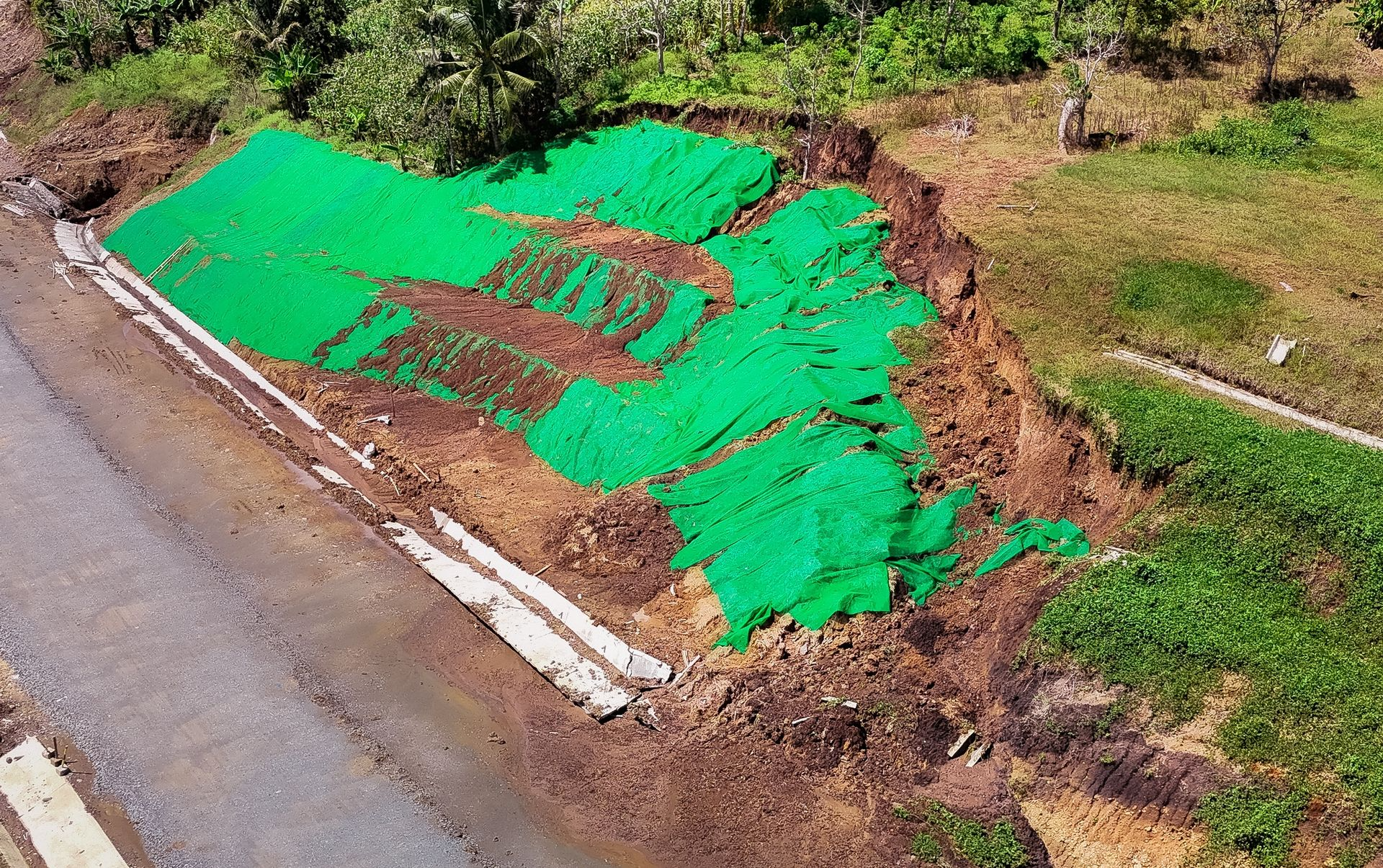
Drainage erosion control is one of the most overlooked risk multipliers on construction and land-disturbance projects. When runoff is unmanaged, it leads to erosion, delays schedules, and triggers enforcement actions.
Projects rarely fail at erosion control due to bad intent. They fail because drainage is treated as an afterthought rather than a system.
This guide outlines seven drainage erosion control best practices used by environmental professionals to reduce sediment loss, protect downstream waters, and keep projects compliant from mobilization through stabilization.
Common Sources of Drainage Erosion Control Failures on Jobsites
Most erosion issues occur from consistent rainfall interacting with poorly managed controls and drainage channels.
The most common source of erosion occurs because of:
- Concentrated runoff overwhelmings controls
- Improper placement of BMPs relative to drainage patterns
- Delayed installation during early site disturbance
- Lack of maintenance after rain events
- Controls selected for convenience, not site conditions
Proper SWPPP planning, best management controls, and oversight are key to addressing issues early and preventing erosion from evolving into sedimentation.
To help you combat potential drainage failures, we’ve outlined seven best practices we commonly practice on job sites to ensure they function properly.
Best Practice #1: Map Natural Drainage Before You Disturb the Site
Before any BMP is installed, it’s important to understand how water already moves across the site.
Natural drainage patterns dictate where runoff tends to concentrate, and erosion risk is highest.
Some common features site managers evaluate when monitoring site runoff include:
- Slope direction and steepness
- Low points and swales
- Off-site runoff entering the project
- Discharge points leaving the site
Mapping these patterns early allows site managers to draft appropriate controls to best handle runoff in areas most exposed to erosion.
Best Practice #2: Control Runoff Velocity, Not Just Sediment
Sediment gets dislodged when water moves fast enough to break up the soil.
Slowing runoff reduces erosion more effectively than trying to capture sediment after it detaches.
Some of the most common velocity controls we employ include:
- Check dams in channels
- Level spreaders
- Temporary slope breaks
- Diversions that lengthen flow paths
Slowing runoff velocity protects soil structure and reduces the burden on downstream sediment controls.
Best Practice #3: Match BMPs to Drainage Type and Flow Volume
One of the most common drainage-erosion control mistakes is using the wrong BMP in the wrong location.
Silt fence fails when used in concentrated flow. Inlets clog when upstream stabilization is missing. Sediment traps overflow when undersized.
The table below illustrates the proper use of BMPs and common failures resulting from improper installation and planning.
| Drainage Condition | Effective BMPs | Common Failure |
| Sheet flow | Silt fence, compost filter socks | Installed in channels |
| Concentrated flow | Rock check dams, swales | Fence washed out |
| Steep slopes | Erosion control blankets | Installed too late |
| Large drainage areas | Sediment basins | Undersized basins |
| Inlets | Inlet protection | No upstream control |
Best Practice #4: Install Controls Before Major Earthwork Begins
Planning and timing drainage controls is just as important as employing the right ones.
Drainage erosion control must be in place before soil disturbance—not after erosion starts.
Early installation protects exposed soil during grading and reduces sediment migration during mobilization
Projects that delay BMP installation almost always end up spending more correcting failures later.
Best Practice #5: Design for Maintenance, Not Just Installation
Sediment control systems fail more often due to poor maintenance than poor design.
Drainage erosion control is an active process that requires active monitoring, inspection, and maintenance. In fact, this is a core aspect of drafting and complying with SWPPP regulations.
The table below discusses some common housekeeping tips for maintaining erosion control BMPs on active worksites.
| Control Type | Maintenance Focus |
| Sediment traps | Frequent sediment removal |
| Sediment basins | Measure accumulation, inspect outlets |
| Check dams | Maintain stone structure |
| Inlet protection | Clear clogging after storms |
| Diversions | Repair erosion along channels |
Best Practice #6: Stabilize Exposed Soil Immediately
Bare soil is vulnerable to erosion, which can lead to sedimentation..
Permanent or temporary stabilization reduces sediment generation at the source, lowering pressure on drainage controls.
Some temporary and permanent stabilization options include:
- Temporary seeding
- Mulching
- Rolled erosion control products (RECPs)
- Permanent vegetation
Stabilization also assists other erosion controls and makes the process of site cleanup much easier.
Best Practice #7: Frequent Inspections
Site inspections are a critical component of the SWPPP and ensure that drainage controls work appr[riately to handle anticipated weather events.
Site inspections should take place once every week or after a weather event. Most erosion issues develop after rain events, when runoff exposes weaknesses that aren’t visible during dry conditions.
Start by checking controls after qualifying rain events, closely reviewing discharge points, and monitoring areas with known drainage or slope risk.
Inspections must result in immediate corrective action, and all issues and repairs need to be documented.
The Role of Environmental Professionals in Drainage Erosion Control
Selecting and maintaining the right drainage erosion control measures is a critical part of stormwater management, but it can be difficult for most site managers to keep up with best practices and regulations.
Environmental consultants simplify the process by helping draft and comply with SWPPP requirements, including drainage-specific controls. From phasing construction to site inspections, a qualified environmental consultant can help across every part of the development process, from QA to QC.
FAQs: Drainage Erosion Control
What is drainage erosion control?
Drainage erosion control refers to managing runoff flow paths and velocities to prevent soil detachment, transport, and sediment discharge.
Why does erosion still occur even with BMPs installed?
Most failures occur due to poor placement, inadequate sizing, or lack of maintenance—especially in concentrated drainage areas.
Are sediment controls enough without drainage controls?
No. Sediment controls capture soil after erosion occurs. Drainage controls prevent erosion by managing water movement.
How often should erosion controls be inspected?
At a minimum, weekly and after qualifying rain events, with immediate repairs as needed.
What causes silt fence failure most often?
Use in concentrated flow, improper trenching, and lack of maintenance after storms.
Do erosion control requirements apply to small sites?
Yes. Even small disturbed areas can create compliance and environmental risks if drainage is unmanaged.
How do sediment basins differ from sediment traps?
Basins handle larger drainage areas and flows, while traps are smaller and used for limited contributing areas.
Can drainage erosion control reduce project costs?
Yes. Preventing erosion reduces cleanup, rework, inspection failures, and regulatory penalties.